Commercial fire alarm systems - panels, detectors and call points
If you run a business from a building, somebody has written a fire risk assessment for it, and that document says what detection the building needs. A fire alarm system is how you satisfy it, and it has to be installed, commissioned and recorded properly or the paperwork does not stand up.
Camcon Security installs fire alarm systems for commercial premises across Lowestoft, Beccles, Great Yarmouth, Norwich and the Waveney area: panels, detectors, sounders and manual call points, commissioned and tested, with the certificate you need at the end of it.
What a system is made of - and why each part is there
The right system for a building depends on what is in it, who is in it and how they get out. A small office and a workshop with a spray booth are not the same job, and we will say so before quoting.
Control panel
The panel that shows which zone has gone off, so that whoever arrives knows where to go rather than searching a building.
Detectors
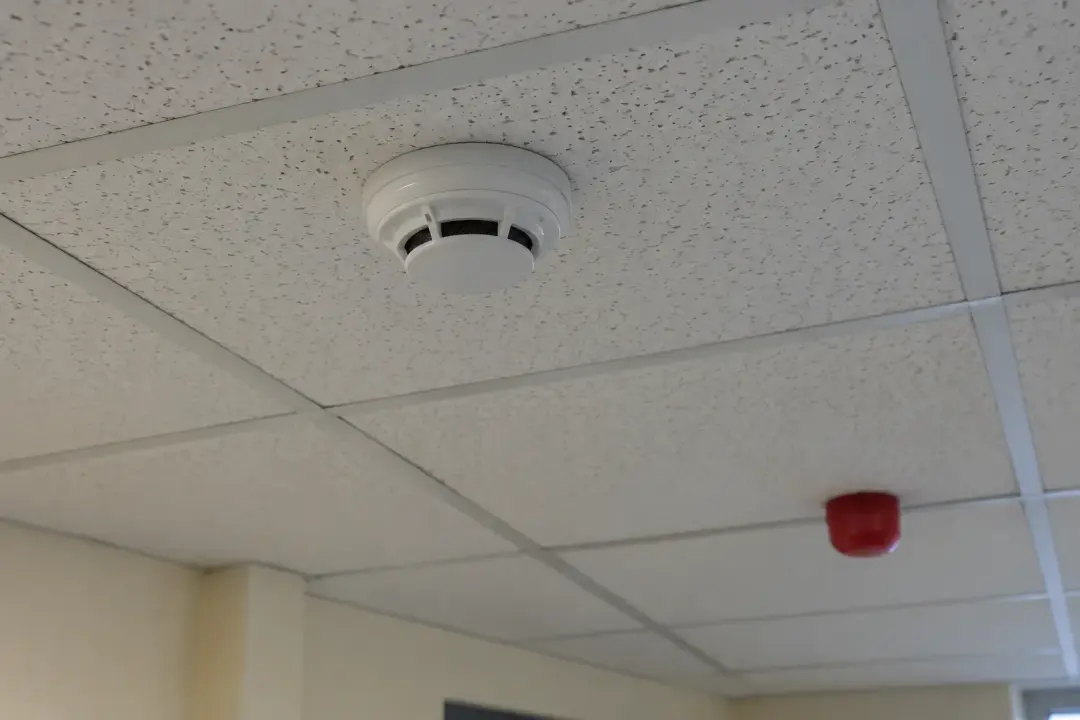
Smoke, heat or multi sensor detectors chosen per room, because a heat detector belongs in a kitchen where a smoke detector would cry wolf.
Call points
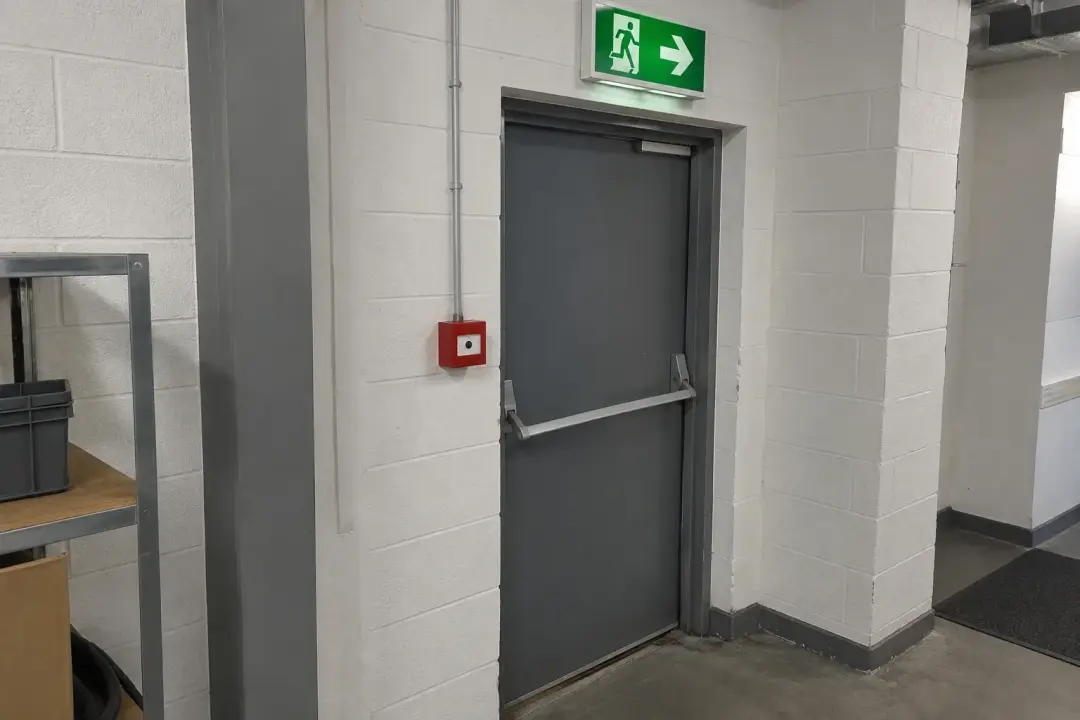
Manual call points on the escape routes, so a person who sees a fire can raise the alarm before any detector does.
Sounders
Sounders sited and set so the alarm is audible everywhere people work, including over machinery and behind closed doors.
Commissioning
Every device tested on handover and the result recorded, which is the part that makes the system evidence rather than equipment.
Servicing
Ongoing servicing, including of systems another company installed, so the log book stays current.
Which category your building needs
Fire alarm systems are described by a category, and it is worth knowing yours, because it is the difference between a handful of call points and a detector in every room. The category comes out of your fire risk assessment rather than out of a catalogue, and it decides what the system costs more than any other single thing. These are the ones that come up:
Category M
Manual only: call points and sounders, no automatic detection. A person has to see the fire and break the glass. Common in small, simple premises where everyone can see the whole floor.
Categories L1 to L5
Life protection, from L1 with detection throughout down to L5 covering one specific risk. L2 and L3 are the usual answer for a shop, office or workshop: detection on the escape routes and in the rooms that open onto them.
Categories P1 and P2
Property protection, there to raise the alarm early enough to save the building and the stock rather than the people. Insurers ask for these more often than tenants expect, so check the policy before you specify.
What you have to be able to show
A fire alarm is not finished when it makes a noise. Somebody at your premises is the responsible person under the fire safety regulations, and what they need is evidence: a commissioning certificate for the install, a log book that gets filled in, and a record of the weekly test and the periodic service.
British Standard 5839-1 is the one commercial systems are designed and maintained to, and it asks for servicing twice a year by somebody competent. We leave the certificate and the log book with you, show whoever is going to keep it how the weekly call point test works, and put the service dates in before we leave rather than waiting for you to chase us.
If you have inherited a system with no paperwork, that is worth sorting before an inspection rather than after one. We can test what is there, record it and start the log properly, whoever fitted it.
Fire and security together - one visit, one engineer
Most of the premises we fit fire alarms in want an intruder alarm or cameras as well. Doing them together means one set of cable runs, one network and one engineer who knows the whole building, rather than three firms each blaming the other when something stops working.