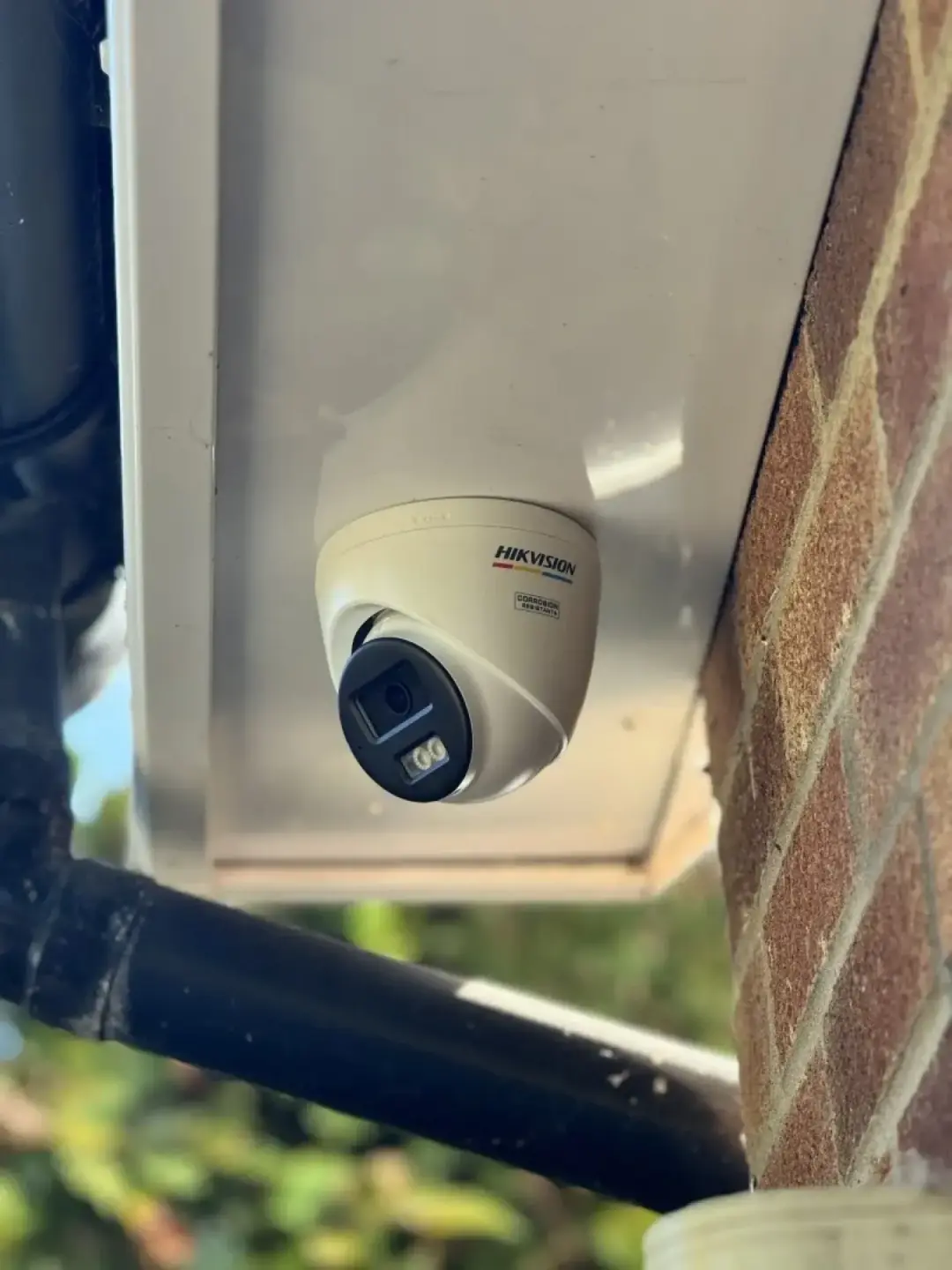
CCTV - cameras and recorders
Cameras put where they will actually see a face or a number plate, rather than where they are easiest to reach. Recorders you can get at from your phone, and footage that is worth having when somebody asks for it. Domestic jobs of two or three cameras through to business systems covering a whole yard.
- Domestic and commercial systems
- View and play back from your phone
- Day and night colour imaging
- Existing systems upgraded or taken over
Burglar alarms - wired and wireless
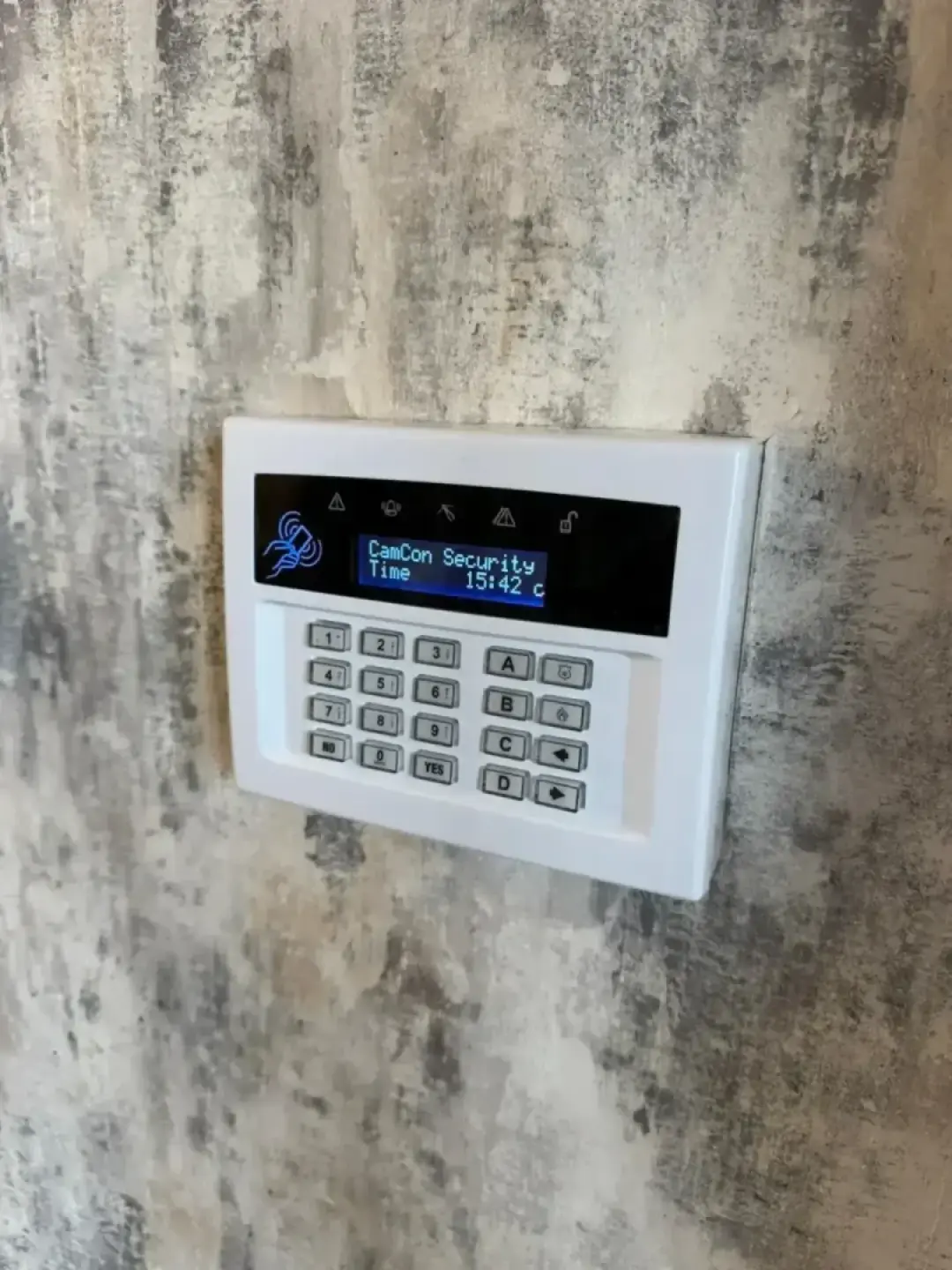
Wired and wireless intruder alarms for houses and business premises, with the keypad somewhere sensible and the sounder where it will be heard. Most of the alarms we are called out to were switched off months ago because arming them was a nuisance, so we fit systems around how the building is really used.
Fire alarms - for commercial premises
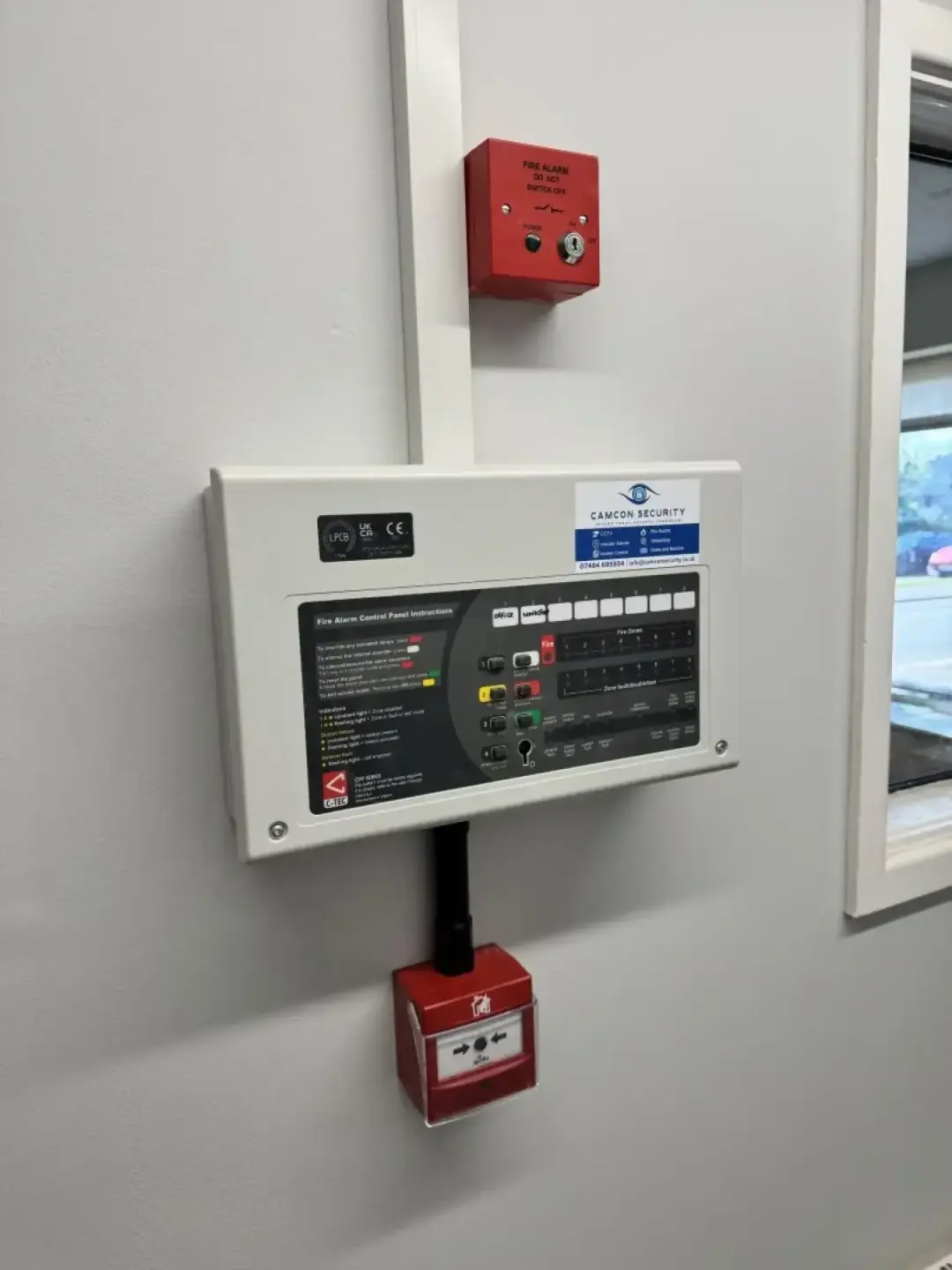
Panels, detectors, sounders and manual call points for commercial premises, installed and commissioned so the system does what your fire risk assessment says it should. We can also take on the servicing of a system somebody else fitted.
Access control - keypads, fobs and readers
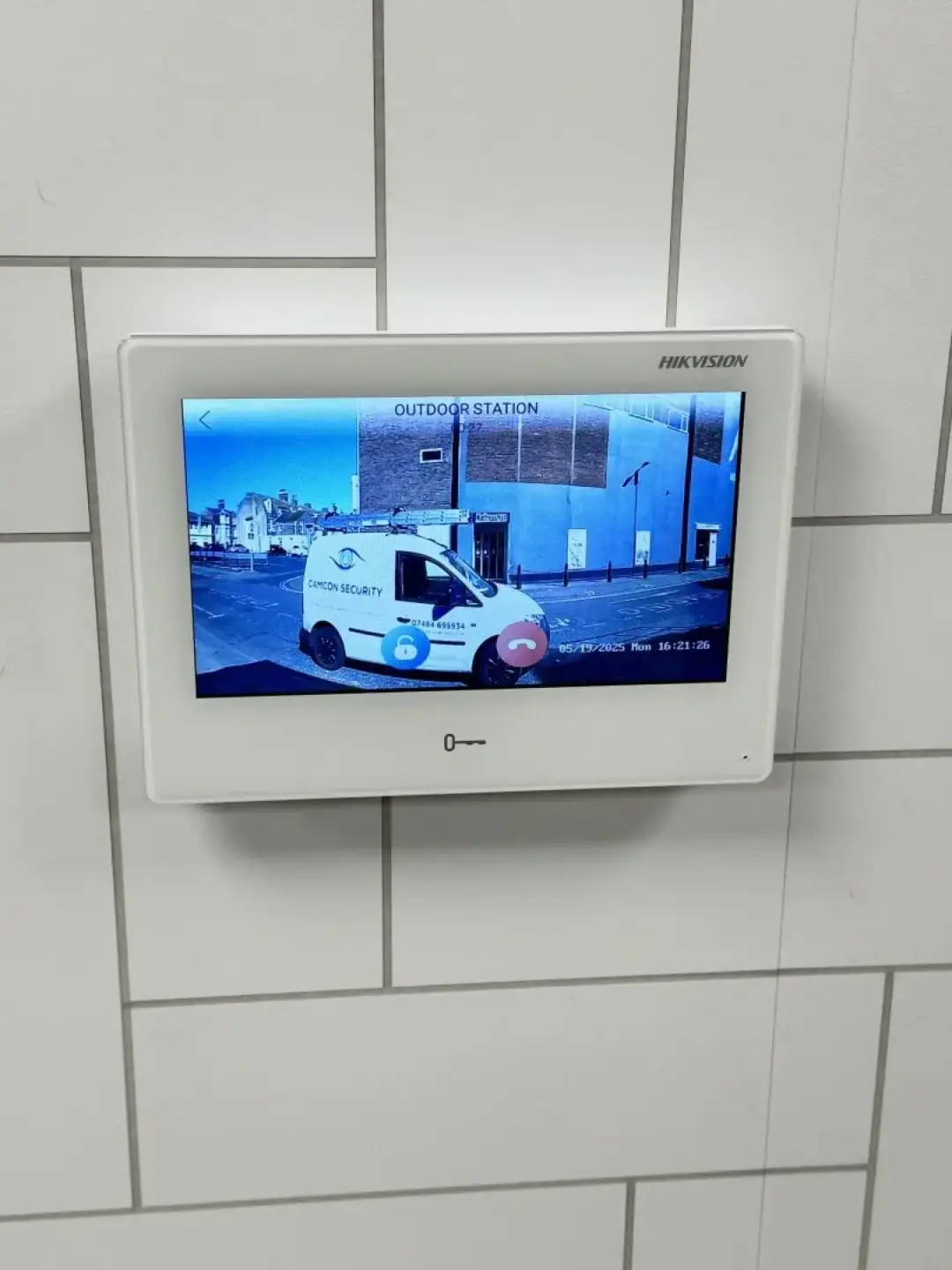
Keypads, fobs, cards and readers on the doors that matter, so you can see who has been in and stop one person getting in again without changing every lock in the building. Door entry and video intercom go in as part of the same system where that makes sense.
The reason most businesses move to it is not security, it is keys. Once there are more than a dozen people and one set of locks, somebody always has a key they should have handed back, and the only honest fix is a locksmith and a new key for everybody. A fob costs nothing to cancel, takes ten seconds, and leaves a record of when it was last used.
It is worth saying what it will not do. It controls doors, not people: if a fire door is wedged open with a bin, no system on the market knows. And every access control job has to leave the building safe to get out of in a fire, which decides where the emergency release goes and is not negotiable whatever the door is protecting.
Gates and barriers - swing, sliding and rising
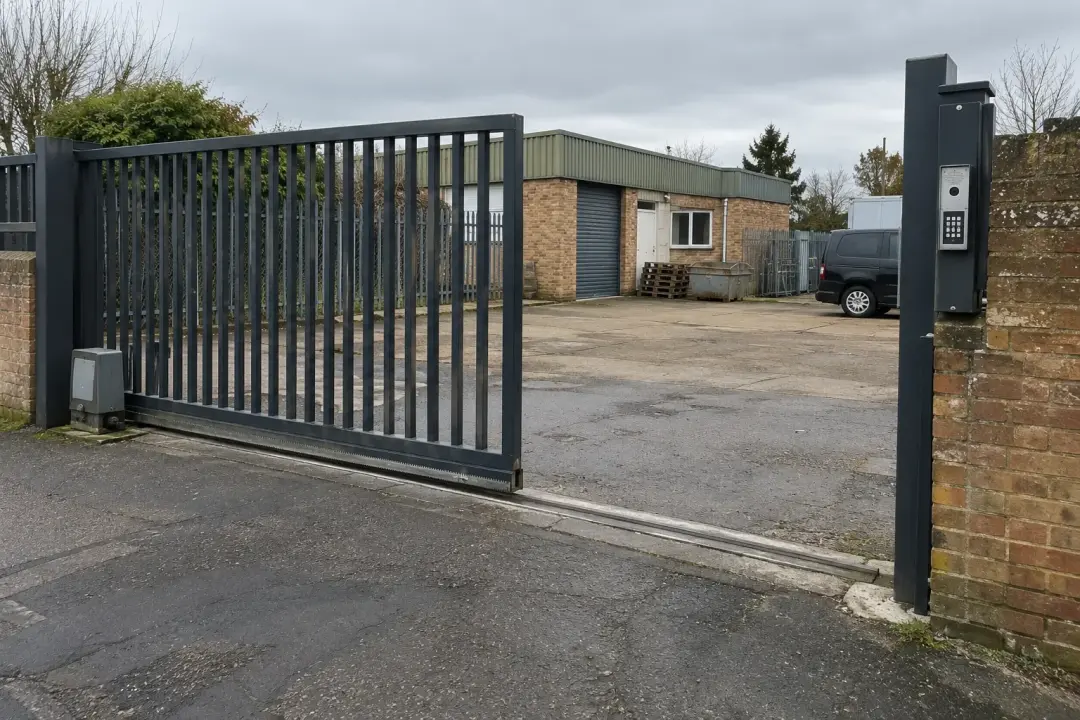
Swing and sliding gates, rising barriers and the entry panels that go with them, for yards, car parks and private drives. Installation, repair and maintenance. Tell us the opening and the traffic going through it and we will come and measure up.
Which type suits you is usually decided by the ground rather than by preference. A swing gate needs room to swing and a drive that is reasonably level; on a slope or a short drive it fouls the surface or the car behind it. A sliding gate needs the width to park itself alongside the opening. A rising barrier controls traffic but stops nobody on foot, which is the right answer for a car park and the wrong one for a yard with stock in it.
What fails on gates is almost never the gate. It is the safety edges, the photocells and the ground loop, because they live at axle height in the weather and get clipped. We repair and maintain gates other firms installed, and a powered gate wants looking at once a year like anything else that moves and could catch somebody.
Networking - cabling, switches and wi-fi
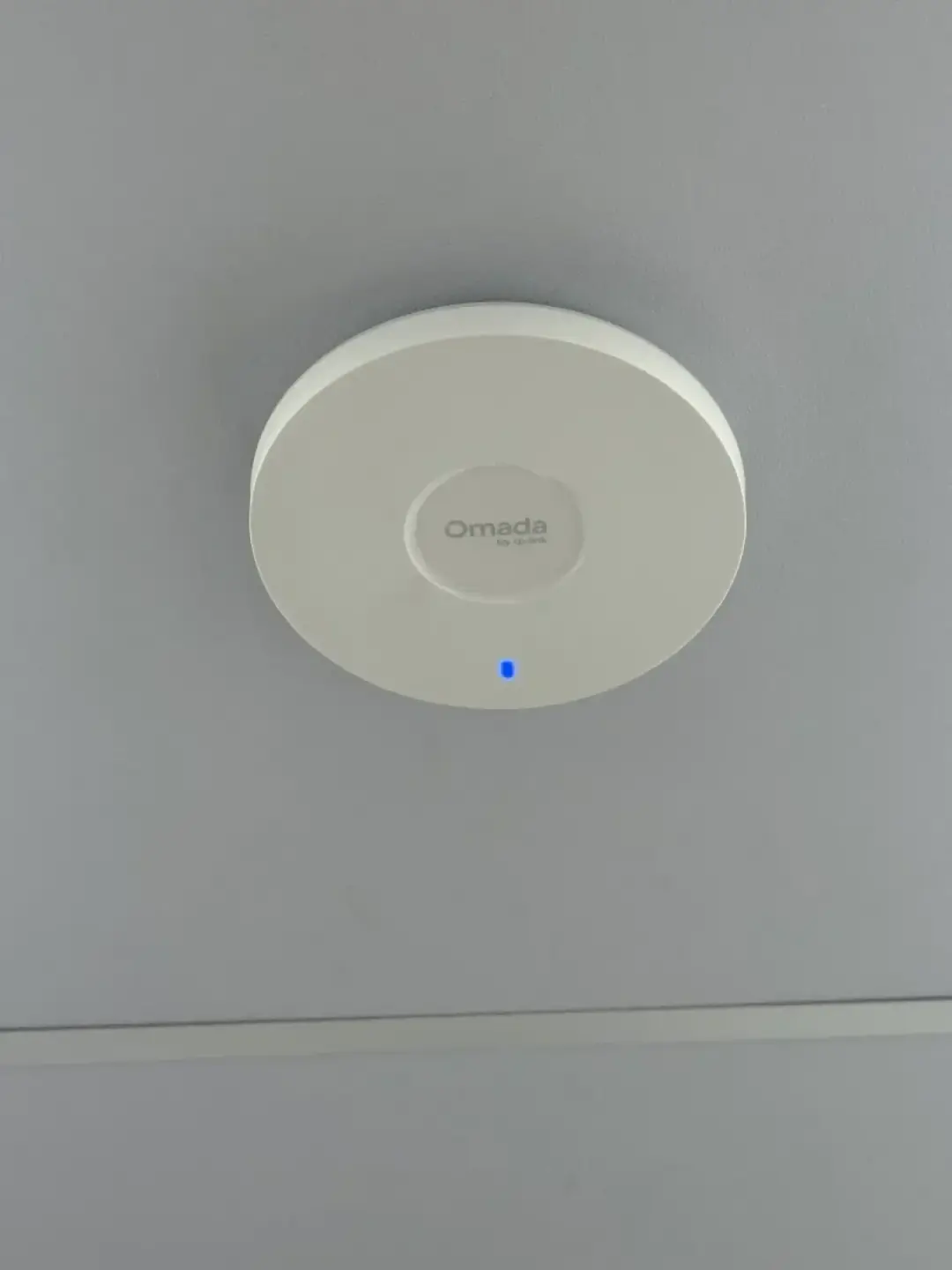
Structured cabling, switches and wireless access points. The unglamorous half of every system on this page, and the half that decides whether the rest of it stays reliable. We also do fault finding and wi-fi improvements on networks we did not install.
Nearly every fault we are called out to on a camera system turns out to be the network underneath it rather than the camera. A recorder on a cheap switch, cameras sharing a link with everything else in the building, or wi-fi asked to carry video it was never going to carry. Cameras on their own cabling and their own switch is the difference between a system that works and one that drops out every evening when the building gets busy.
The wi-fi work is usually the opposite problem: not enough access points, put where the sockets were rather than where the people are. Thick walls, a long thin building or a first floor added later will all beat a single router no matter what it cost. We survey what the coverage actually is, rather than guessing from a floor plan, and put access points where the dead spots are.