Almost every alarm we are called out to in Lowestoft was working fine and had simply stopped being set. Not broken, not faulty: switched off months ago by somebody who got tired of it, and never switched back on. Most burglar alarm problems are this, not a fault. An alarm nobody arms protects nothing, and the reason is nearly always the same three or four things.
Most alarm problems start at the keypad
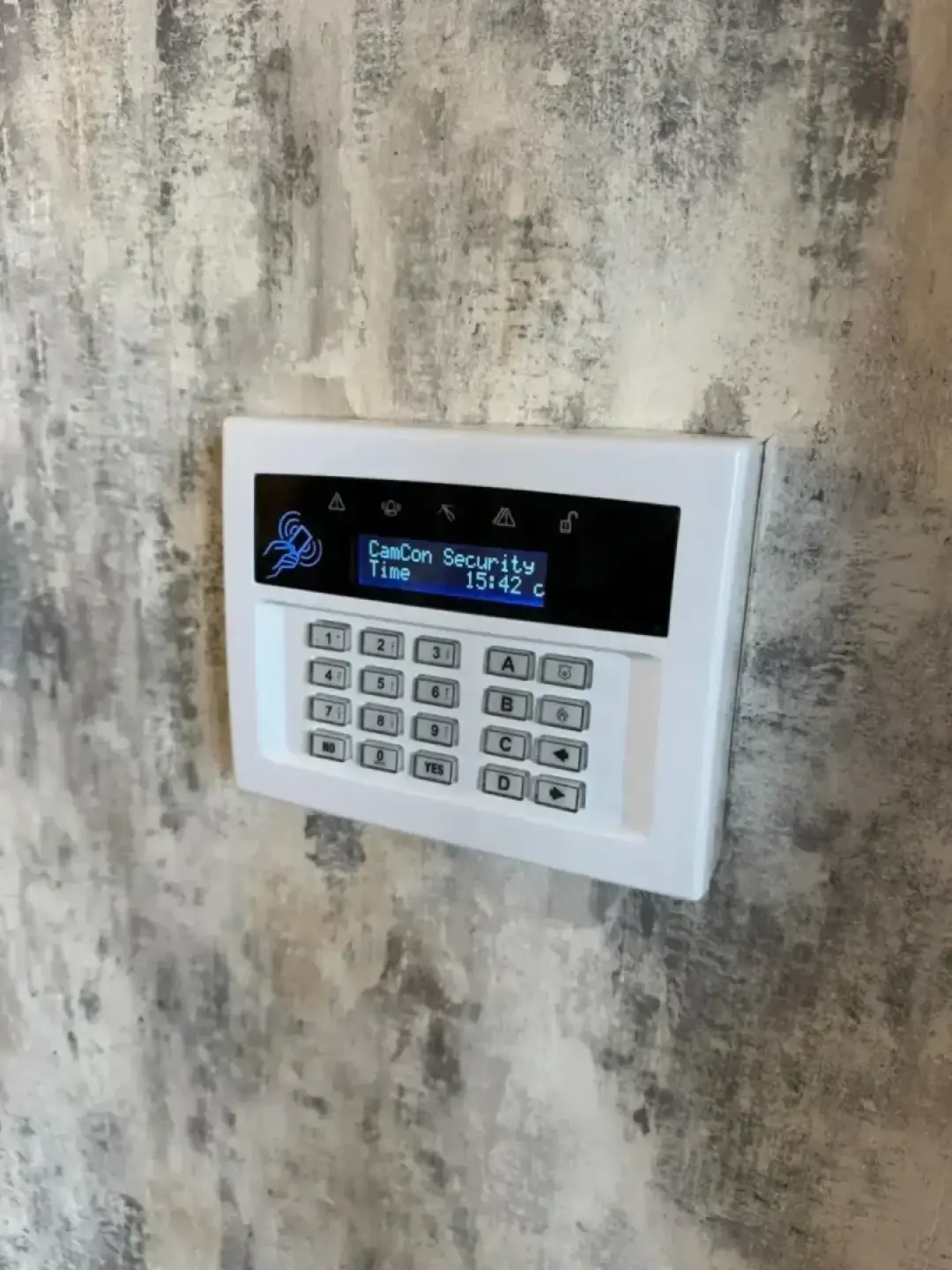
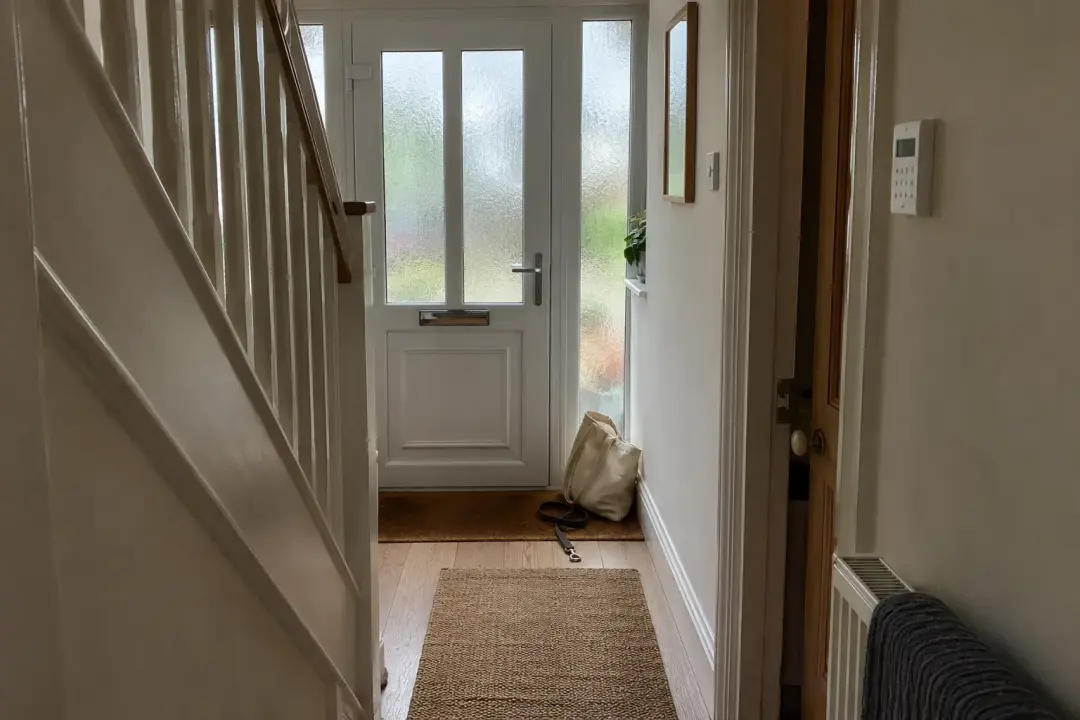
The commonest cause by a distance. If the keypad is not by the door the household actually uses, setting the alarm means a detour every time you leave and a sprint every time you come back. People do that for about a fortnight.
Most houses have a front door for visitors and a back or side door for the people who live there. The keypad belongs by the second one. We have moved keypads from hallways nobody walks through to utility rooms everybody walks through, and that one change is the most likely single thing to get a dormant system being used again.
On commercial premises the same logic applies to whoever locks up. The keypad belongs by the door the last person out uses, not by the main entrance that is locked from the inside at five o'clock.
What sets it off
- A detector pointed straight at a radiator that comes on with the heating.
- A cat flap sitting inside a zone the system is covering.
- A conservatory that bakes in the afternoon and moves the air about.
- A curtain hanging over a warm pipe, lifting every time it heats.
The exit time is fighting you
An exit time set shorter than the house actually takes means the alarm goes off while somebody is still locking up. Two or three of those and the system gets a reputation it never recovers from.
The fix is to time the real walk, with a bag and a dog and the door that sticks, rather than accept whatever the panel was shipped with. The same applies to the entry time: long enough to get to the keypad at a walk, carrying something, in the dark. Panels usually leave the factory with times that suit a showroom. Timing it properly is part of every burglar alarm installation we do, and so is putting the keypad by the door the household actually uses rather than the one on the plan.
Something sets it off and nobody knows what
These are all fixable without new equipment. Usually it is a detector moved a few feet, swapped for a pet-tolerant one, or a zone taken out of the part-set so a room can be left out at night.
If yours goes off without explanation, the panel almost certainly knows which detector it was. Most will show the last activation, and that single piece of information turns an unexplained nuisance into a 20 minute fix. It is worth writing down the date, the time and what the panel said before you clear it, because a pattern across three events usually names the cause on its own.
What a takeover checks
- Whether the panel is sound and still supported by the people who made it.
- What the event log says has actually been happening, rather than what is remembered.
- Where the keypad sits, measured against the door the household really uses.
- Whether the exit time matches the walk somebody actually makes to the door.
- Which detectors have been causing the activations, and what is in front of them.
Nobody was ever shown how to part-set it
Most people know how to set the whole system and leave. Far fewer have been shown how to set the downstairs while they sleep upstairs, which is the setting a domestic alarm earns its keep on. If it was never demonstrated, it never gets used.
Part-setting is also what makes an alarm liveable with a dog, a teenager who comes in late, or a conservatory that triggers in the sun. The system can be told to ignore chosen zones in one mode and watch them in another, and the whole point is that you choose which.
That is the part we deliberately do not rush. Before we leave a job you set and unset the system yourself, including the part-set, with us standing there, until it is obvious. It takes ten minutes and it is the difference between a system that gets used and one that does not.
What a takeover visit involves
In most cases the equipment is fine. What has gone is the configuration: times set for a different household, zones that made sense when the building was used differently, and codes nobody now has. Reprogramming that and handing over the engineer code is often the entire job.
Where a panel genuinely is obsolete we will say so, and we will say which parts can stay. Detectors and cabling frequently outlive the panel they were fitted with.
It is very unlikely to need replacing. We take over systems other companies installed, across Lowestoft, Beccles, Norwich and the rest of the Waveney area: reprogramming, moving a keypad or a detector, changing the batteries and setting the times to suit the building. It is usually a short visit rather than a new system.
Ask us to look at an alarm you stopped using
Tell us what it does and we will come and look at the system you have. If cameras are part of the same job, where the cameras go matters more than how many you buy.