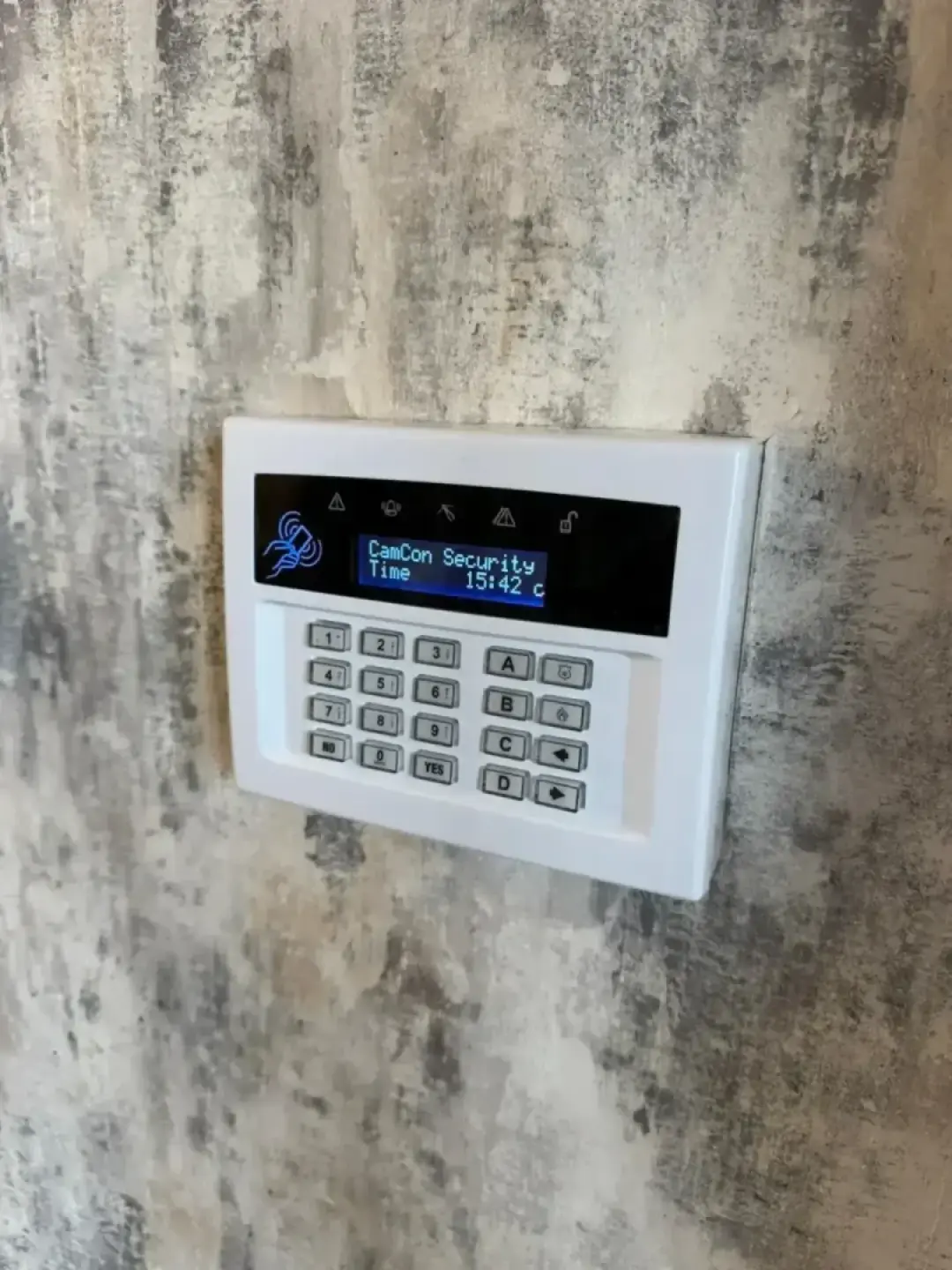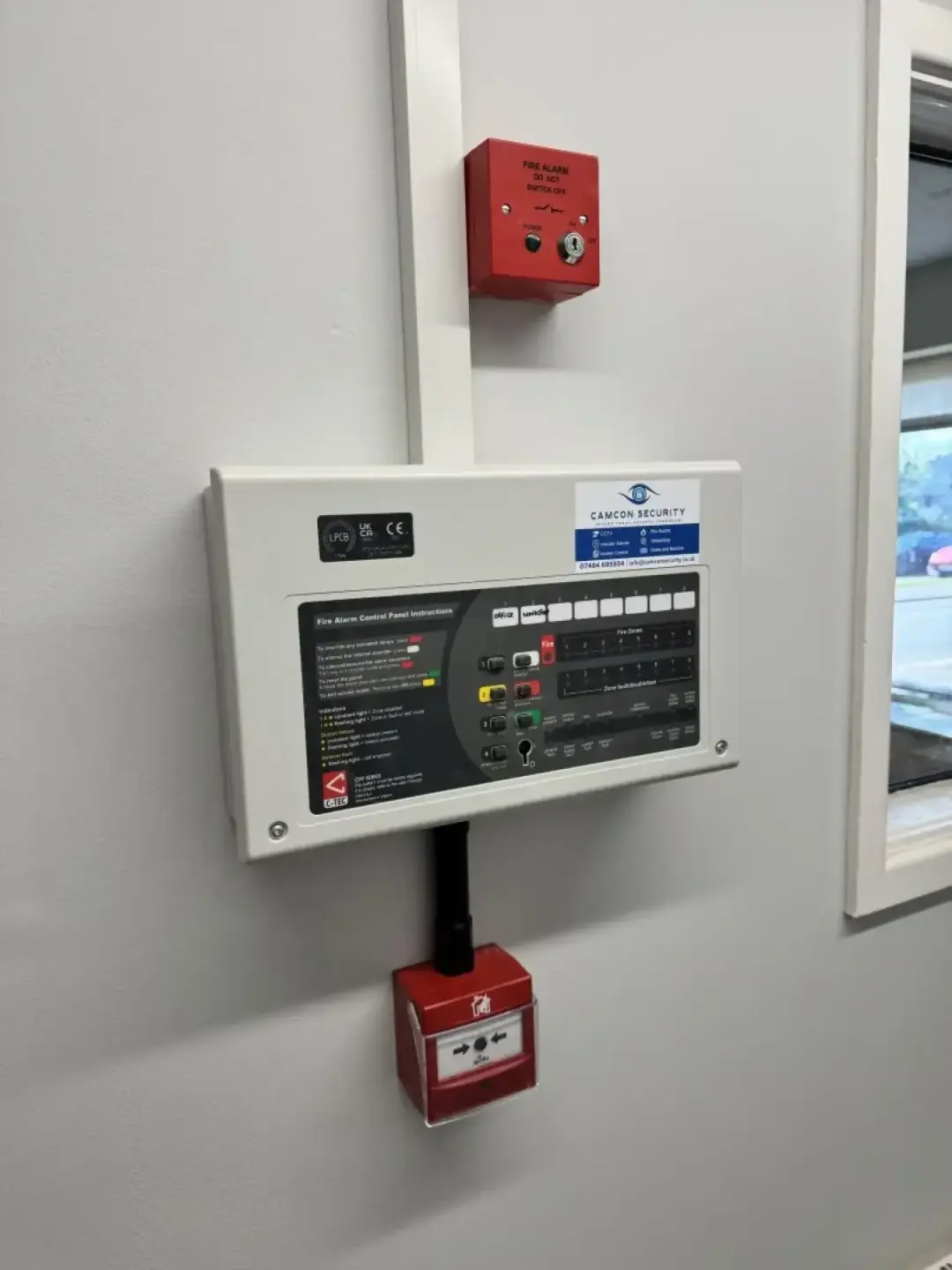
In an older house the honest answer is usually wireless burglar alarms, and the reason is not the equipment. It is that cabling a solid-walled period property means lifting floors and chasing walls that nobody wants disturbed, and a modern wireless system does the same job without any of that.
Why older buildings suit wireless alarms
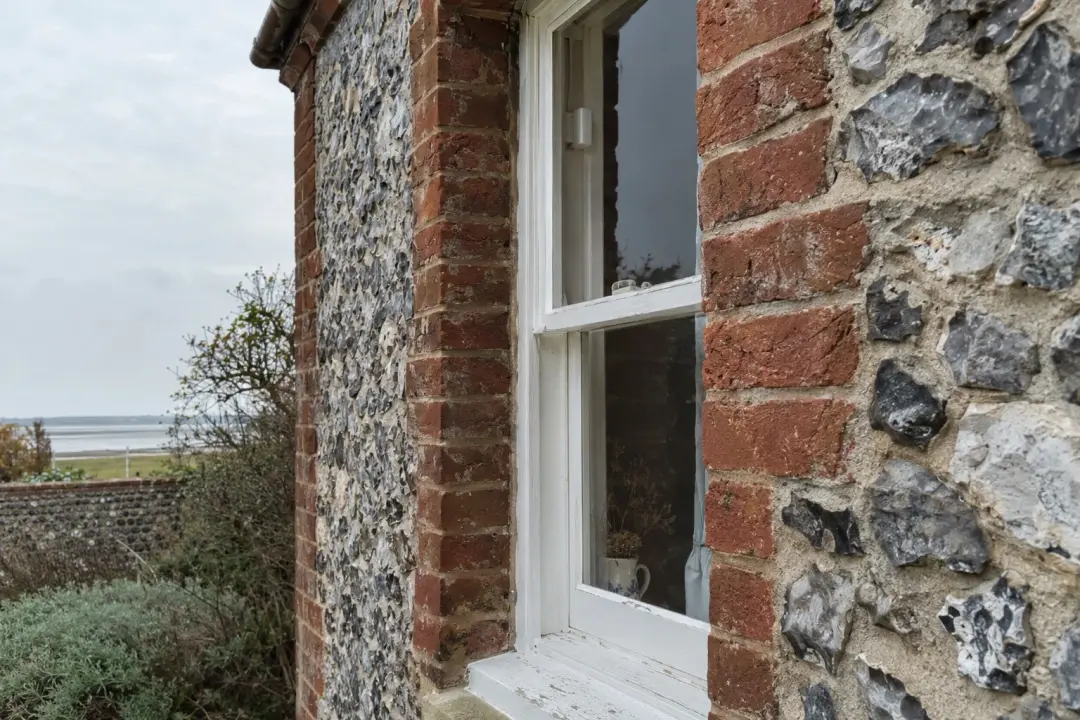
A lot of the housing stock around Lowestoft, Norwich, Beccles and the coast is solid wall rather than cavity, with lath and plaster, flint, or floors that are the original boards. There is often no loft route to the far side of the house and no cavity to drop a cable down.
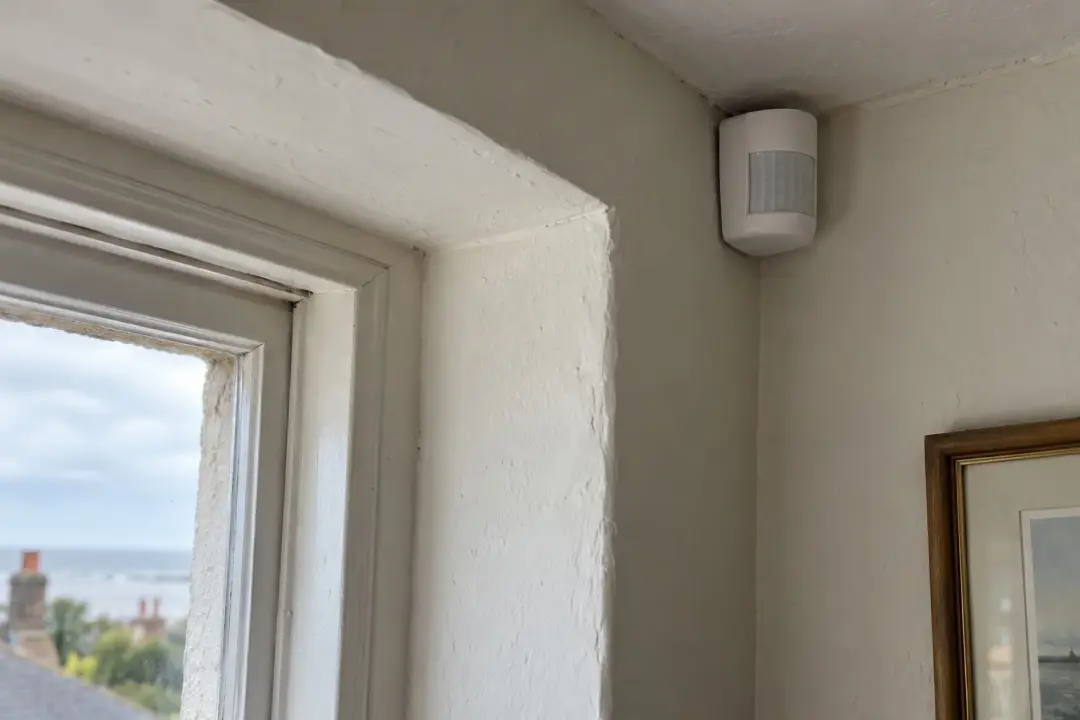
In a building like that, running a wired system is not technically hard, it is just destructive and slow, and the cost is in making good afterwards rather than in the alarm. Wireless removes that entirely: detectors go on the wall where they need to be, and the only mains connection is the panel.
It also means the detector goes where it should rather than where a cable could reach, which is the same argument as camera positions. A sensor in a slightly wrong place because the cable would not go any further is a compromise you live with for years.
Where wired is still the better answer
Wired wins when the building is open, under refurbishment, or already has a sensible cable route, because then the cabling is cheap and there are no detector batteries to replace. The panel still keeps a standby battery so the alarm survives a power cut, and that is checked and changed periodically whichever system you choose. If you are having a floor up anyway, run the cable.
It also wins on larger commercial premises, where the device count makes battery changes a real piece of annual work rather than an occasional one, and where the building is usually easier to cable in the first place.
So the question is not which technology is better. It is whether the fabric of this particular building makes cabling cheap or expensive, and that is a thing you can only answer by standing in it.
Either way
- The keypad goes by the door you actually use, not the front one.
- The exit time is set by walking the route, with a bag, not guessing.
- Before we leave, you set and unset the system yourself until it makes sense.
The two objections to wireless, answered
Batteries. Yes, wireless detectors have them, and yes they need changing. Modern detectors run for years rather than months and the panel tells you which one is low, by name, before it becomes a problem. It is a diary job, not a crisis, and it is the price of not taking your floors up.
Interference. Reasonable to ask, and the answer is that current systems monitor their own signal and report a device that stops talking, rather than quietly failing. A detector that has gone off the air shows on the panel, which is more than can be said for a cut cable on an old wired system.
The thing neither objection covers, and the one that actually decides whether an alarm works, is whether the household sets it. That comes down to where the keypad is and whether anybody was shown the part-set, not to the technology.
Grading, and what a survey decides
Alarm systems are also described by grade, which is about how much effort the system is built to resist and is often what an insurer asks about. Most domestic systems sit at the lower end of that scale and most commercial ones higher up.
It matters here because grading affects signalling and tamper protection rather than whether the system is wired or wireless. If your insurer has specified something, bring that to the survey: it is much cheaper to design around a requirement than to retrofit one.
We survey the building before recommending either. Where a house turns out to have a usable route we will say so, because a wired system in a building that suits it is the better long term answer. Where it does not, wireless is not a compromise, it is simply the right tool for a solid wall. That survey is the first step of any burglar alarm installation we quote for.
Ask us to survey your property
Tell us about the building and we will come and look before recommending either.